When Is an Older Processor Platform Still Good Enough?
I’ll help you judge whether an older processor platform still suits your workload by weighing real performance needs against upgrade cost, memory support, connectivity, compatibility, and the service life you can reasonably expect.
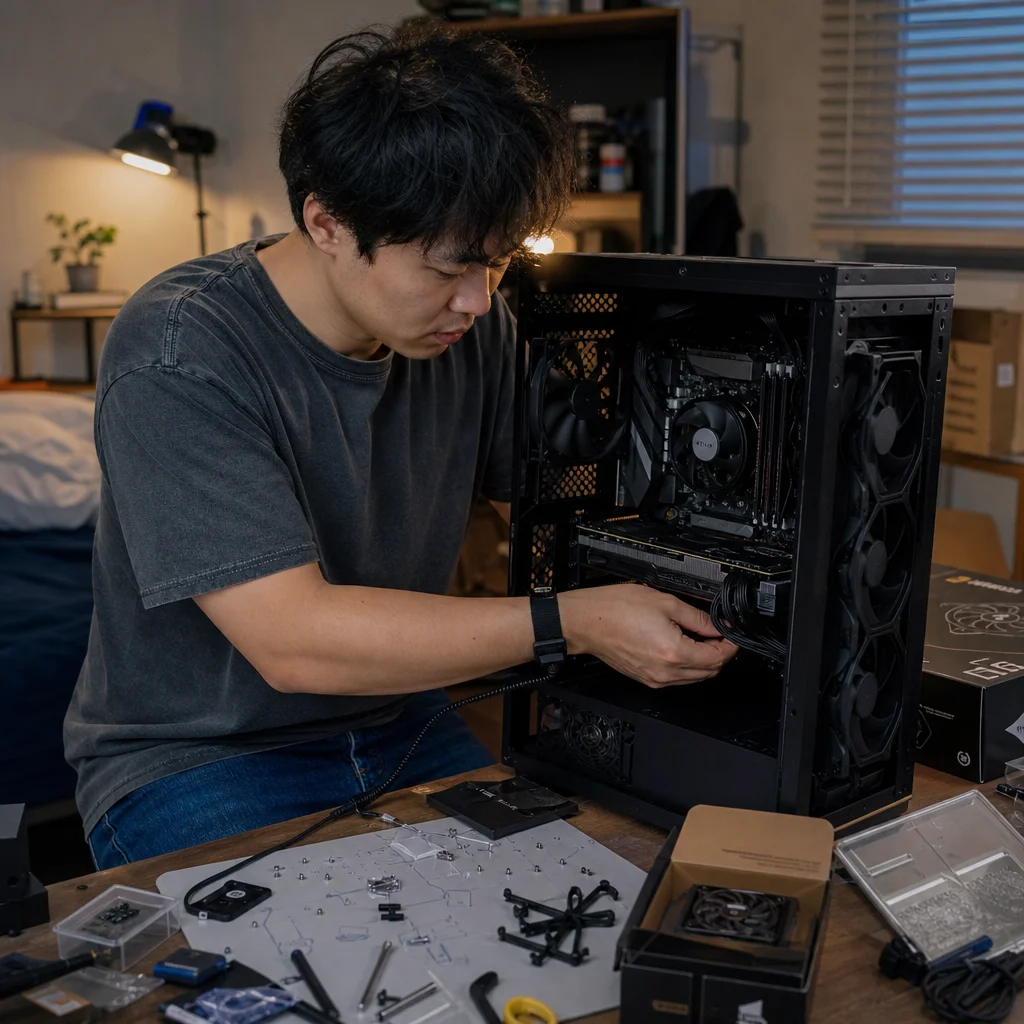
An older processor platform can still be good enough when it performs the work you actually do without forcing expensive compromises elsewhere. The difficult part is separating a platform’s age from the problems it creates today: poor performance, limited memory, missing connectivity, weak upgrade options, or simply rising repair costs.
The right decision usually isn’t “old versus new.” It’s whether keeping the current socket and motherboard gives you enough useful computer for the money, compared with replacing the platform now.
Start with the work, not the socket
Processor generations matter, but workloads matter more. A platform that feels dated for high-refresh gaming or video production may remain entirely adequate for office applications, web browsing, coding, light photo work, home-server duties, or a secondary computer.
Begin by identifying the tasks that cause frustration. Is the system slow when launching applications, compiling code, exporting media, or playing a particular game? Does it run out of memory? Does storage feel slow? Is the computer unstable under load? If the actual problem is a hard drive, insufficient RAM, thermal throttling, or a badly configured operating system, replacing the processor platform may solve the wrong problem.
Performance should be judged by the parts of your workload you can feel. A newer processor may offer better single-threaded responsiveness, more cores, or improved efficiency, but those benefits only justify a platform replacement if they shorten the tasks you perform often enough to matter. Conversely, if a current processor reaches high usage while you work and you regularly wait for it, an inexpensive processor upgrade on the same socket may be worthwhile.
A useful test is to monitor the system during the activity that bothers you. High processor utilization with acceptable temperatures points toward a CPU or platform limitation. Memory usage that stays near capacity suggests a RAM upgrade. A full or slow storage device, high temperatures, or a graphics card running at full load indicates a different bottleneck. You don’t need laboratory-grade measurements; you need enough evidence to avoid spending on the wrong component.
Compare the complete cost of staying
Keeping an older platform can look cheap because the motherboard and memory are already installed. That advantage disappears if the upgrade requires a scarce used processor, a replacement cooler, new memory, a BIOS update, or a power supply with different connectors. Compare the complete cost of both paths rather than the advertised price of one processor.
For a same-platform upgrade, include the processor, cooler if needed, thermal paste, shipping, and the risk that a used part has limited return protection. For a new platform, include the motherboard and memory as well as the processor. You may also need a mounting kit for the CPU cooler, a new operating-system license in some situations, or a larger power supply if the broader system is changing.
The value of a drop-in upgrade is strongest when the board already supports a meaningfully faster processor and the rest of the system is in good condition. It is weaker when the best compatible CPU costs nearly as much as a modern processor-and-motherboard combination, or when the old board limits memory capacity and storage expansion. A low purchase price doesn’t make an upgrade economical if it buys only a modest improvement and leaves several other constraints in place.
Used-market pricing also changes the calculation. An older high-end processor can retain an inflated price because it is the fastest option for a particular socket. That doesn’t necessarily make it a good value. Compare its performance, warranty, and power consumption with a current entry-level platform before assuming compatibility is cheaper.
Check today’s platform costs: Before choosing between a used processor and a new platform, compare current prices for the CPU, motherboard, memory, cooler requirements, shipping, and return coverage. Used hardware prices and availability change quickly, so an older platform can move from sensible bargain to poor value without any change in its specifications.
Examine memory support and expansion limits
Memory is one of the clearest signs that an older platform may be reaching its practical limit. An aging board might use an earlier memory generation, support less total capacity, offer fewer slots, or impose lower speeds when all slots are populated. Those limits matter more if your applications, games, or operating system now use substantially more memory than they did when the system was built.
Check the motherboard manual for supported memory types, maximum capacity, slot population rules, and any restrictions on module sizes. Don’t assume that a processor upgrade will make unsupported memory work. The memory controller, motherboard firmware, and board layout all affect compatibility.
If the system has two memory slots occupied by small modules, upgrading capacity may require replacing both rather than adding a cheap pair. If it has four slots, mixing existing and new modules can work, but it may reduce the achievable speed or create stability problems. Buying a matched kit is often simpler, though the right choice depends on the board’s support list and the price of suitable memory.
A platform that can accept enough RAM for the next several years is easier to justify. One that is already at its practical maximum may still be fine for a focused workload, but it gives you less room to respond when software becomes heavier.
Look beyond processor performance
The motherboard determines much of a computer’s useful life. An older socket may still support a capable processor while offering limited storage, expansion, and external connectivity. Check the features you use or expect to add, rather than judging the board by its age alone.
Important questions include how many fast storage connections are available, whether the board has the expansion slots you need, how many USB ports it provides, and whether it supports the display outputs, networking, or add-in cards your setup requires. A board can run a processor perfectly well and still be inconvenient because it lacks enough high-speed storage connections or modern rear-panel ports.
Expansion flexibility matters particularly for value-focused upgrades. If you want more storage, faster networking, a capture card, additional USB connectivity, or a dedicated sound device, inspect the available slots and their bandwidth. Some older boards share connections or disable one slot when a particular storage port is used. The manual and motherboard specification page are more reliable than a quick product summary.
Firmware support is another consideration. A later processor for an older socket may require a particular BIOS version. If the board can't update without an already supported processor, installing the upgrade may require a loaner CPU or a shop’s assistance. This is a solvable problem, but it belongs in the cost and effort calculation.
Estimate the platform’s remaining service life
“Service life” doesn’t mean the date on which a processor stops working. It means how long the system is likely to remain adequate, supportable, and convenient for your needs. An older platform may have years of useful service left if it is stable, has enough memory, supports your storage, and meets the software requirements you care about.
Consider the parts most likely to end the system’s useful life. The motherboard may be difficult to replace with a compatible model. A power supply, cooler, storage drive, or fan can fail before the processor does. Replacement parts for an older platform may become harder to find, especially if you need a specific board revision or memory type. Keeping a working system is easier when you can obtain ordinary replacement parts without relying on a single used listing.
Operating-system and application support also deserve attention. Requirements change over time, and support policies can vary by processor generation, firmware configuration, and software vendor. If the computer is used for work, check the applications and operating systems you expect to run during its planned service period rather than assuming today’s compatibility will continue indefinitely.
Verify support for your planned use: Check the current operating-system requirements, application support pages, motherboard CPU-support list, and firmware notes for the exact model you own. These details can change, and general statements about a processor generation may not apply to every board revision or software configuration.
Power efficiency is part of long-term value too. A replacement processor on an old platform may use more power than a newer entry-level system while delivering similar everyday performance. For a computer that runs many hours each day, electricity and cooling noise can outweigh a modest purchase-price saving. For an occasional-use machine, those differences may matter less.
Choose between three sensible paths
There are usually three reasonable choices. You can keep the current platform, upgrade only a limiting component, or replace the processor, motherboard, and memory as a group.
Keep the platform when performance is acceptable, memory capacity is sufficient, connectivity meets your needs, and the system has no obvious reliability problems. This is often the best value because you avoid spending money for improvements you won’t notice. A clean software installation, faster storage, better cooling, or a larger memory kit may be all the system needs.
Choose a same-platform processor upgrade when it addresses a measured bottleneck and the compatible part is reasonably priced. This approach makes sense when the board is otherwise well equipped and you can install the upgrade without replacing several surrounding components. Confirm BIOS support and cooler requirements before ordering.
Replace the platform when multiple limitations arrive together. For example, a system may need more memory, a faster processor, modern storage connections, improved networking, and a replacement motherboard. Paying separately to work around each limitation can cost more than moving to a current platform and gives you little flexibility afterward.
You can also delay the decision. If the system meets your needs and the only concern is that the socket is no longer fashionable, there is no technical requirement to replace it. A platform becomes “too old” when its limitations affect your work, reliability, compatibility, or total cost—not when a newer product appears.
Make the decision with a short checklist
Before buying anything, write down the workload that needs improvement and the result you want. Then confirm the current system’s processor usage, memory capacity, storage condition, temperatures, and graphics performance during that workload. This prevents a platform upgrade from becoming an expensive response to a cooling or storage problem.
Next, identify the cheapest upgrade that genuinely solves the issue. Price that option against a complete new-platform build, including memory and any installation accessories. Give extra weight to warranty, return protection, power use, and the likelihood that you’ll need another upgrade soon.
An older processor platform is still good enough when it remains reliable, supports the software and devices you need, and delivers acceptable performance at a lower total cost than replacement. If several constraints are already visible, the old socket may be saving money only on paper. In that case, replacing the platform is less about chasing new hardware and more about buying room to keep the computer useful.