How to Upgrade a PC for Better Video Calls Without Buying a New System
When video calls look soft, sound hollow, or freeze at the worst moment, the problem may be smaller than a whole new computer. I’ll help you identify the bottleneck and choose upgrades that improve calls without wasting working hardware.
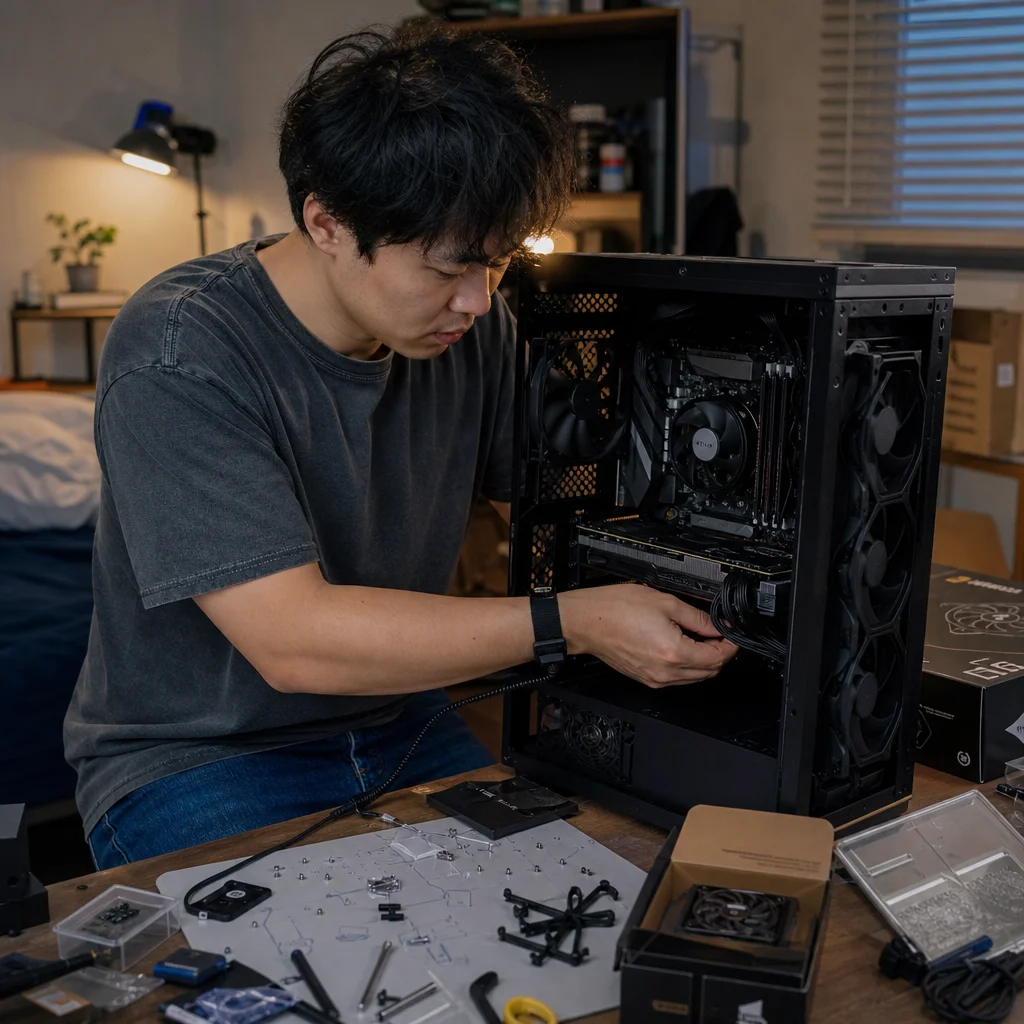
Video calls can expose weaknesses that ordinary web browsing never reveals. A slightly noisy microphone, dim room, unstable Wi-Fi connection, or overloaded background process can make you appear unreliable even when the rest of your PC works perfectly. The sensible fix isn't automatically a new computer; it’s finding which part of the call is failing.
A useful upgrade plan separates image quality, sound, processing, memory, networking, lighting, and software. Each has a different symptom and a different best-value solution. Start by observing the problem during a real call, then change one variable at a time so you know which improvement actually helped.
Start with the symptom, not the shopping list
Before buying anything, use your meeting application’s preview or diagnostic screen. Check the camera image, microphone level, speaker output, and connection statistics if the application provides them. Make a short recording under the same conditions as a typical meeting. This gives you something more useful than a vague impression that the call “feels bad.”
Look for the most noticeable failure:
- A soft, dark, or strangely colored image usually points to the camera, lighting, or room position.
- Hollow, distant, or echoing speech usually points to the microphone or speaker arrangement.
- Choppy video, delayed audio, or a call that drops out usually points to the network, overloaded hardware, or both.
- A call that becomes worse when you share your screen may be limited by processor load, memory pressure, graphics handling, or the application itself.
- A good image and clear voice that still feel unpleasant may be affected by echo, fan noise, keyboard noise, or poor camera framing rather than a core hardware shortage.
Test with your usual browser tabs, cloud applications, messaging tools, and screen-sharing workflow open. A PC that handles a camera preview well may struggle once it is also encoding shared video, displaying several participants, and running other demanding software.
Check your call setup before ordering parts: Run the meeting application’s built-in test with your normal camera resolution, microphone, browser, and network connection. Note whether the failure appears in the preview, during a call, or only while sharing your screen.
Improve the image before replacing the camera
Camera quality is often limited by light and positioning rather than the camera sensor. A basic camera placed at eye level, facing a window or a soft lamp, can produce a more useful image than a higher-specification camera pointed toward a bright background. Put the light in front of you rather than behind you, and leave enough space around your head and shoulders for a natural frame.
If the current image is blurry, confirm that the lens is clean and that the camera has focused. Disable virtual backgrounds and heavy filters temporarily; these features can make edges look unnatural and may increase processor use. Also check whether the application is selecting a lower-resolution stream because of bandwidth or performance limits. A camera can't deliver detail that the call service has reduced.
A USB webcam is a reasonable upgrade when the built-in camera is badly positioned, lacks useful adjustment, or produces an image that remains poor in good light. The trade-off is that a better camera may reveal more of the room and require more careful framing. Higher resolution isn't automatically better if your lighting, upload connection, or meeting service can't support it.
If you already own a suitable phone, it may serve as a camera through compatible software, but this adds setup complexity, battery demands, and another wireless or USB connection. It can be a cost-efficient experiment, not necessarily the simplest permanent arrangement.
Treat the microphone as a separate upgrade
A clear voice matters more than a highly detailed background. Built-in laptop microphones can work in a quiet room, but they often capture keyboard noise, fan noise, room reflections, and loudspeakers playing the other participants. Moving the microphone closer to your mouth generally improves speech more than choosing a microphone with an impressive specification sheet.
A wired headset is usually the straightforward choice for home-office calls. It places the microphone close to your voice and reduces the chance that your speakers will feed sound back into the call. USB desktop microphones can sound good, but they need suitable placement and may capture more of the room. Wireless headsets offer freedom of movement, while adding battery management and another connection that can occasionally fail.
Don't overlook the input level. If the microphone gain is too low, you may sound distant; if it is too high, speech can distort. Use the operating system and meeting application controls to prevent automatic adjustments from producing sudden volume changes. Test from your normal seating position, not with the microphone held close to your mouth for the preview.
If people hear an echo, first use headphones or a headset, then check whether the meeting application has echo cancellation enabled. Acoustic treatment can help in a hard, reflective room, but a rug, curtain, bookshelf, or softer furnishings may provide a cheaper improvement than specialized panels.
Decide whether the processor or memory is actually limiting calls
Video calls use the processor for tasks such as camera effects, background replacement, audio processing, browser activity, and sometimes video encoding. Screen sharing and high-resolution video can increase that workload. Open the operating system’s task manager or activity monitor during a difficult call and watch processor use, memory use, and the applications consuming resources.
A processor upgrade is worthwhile only when the processor remains heavily loaded during your normal call workload and other changes haven't solved the problem. On a desktop, the upgrade may require a compatible processor, a motherboard firmware update, stronger cooling, or a better power supply. A faster processor can also expose limits elsewhere, so confirm compatibility before buying it as an isolated part.
Memory pressure behaves differently. If the system is frequently using virtual memory, applications pause when you switch windows, or the call deteriorates while many tabs and office programs are open, adding memory may improve responsiveness. More memory won't fix weak lighting, a bad microphone, or a congested Wi-Fi connection. It helps when the PC is short of working space, not when the call’s actual bottleneck is elsewhere.
Close unnecessary applications and browser tabs as a test before purchasing hardware. If that restores smooth screen sharing, you may need a simpler workflow rather than a processor replacement. You can also reduce camera resolution, disable background effects, or stop recording when those features aren't needed. These changes trade visual polish for lower system load.
Solve network problems before blaming the PC
A call can stutter even when the computer has plenty of processing capacity. Wireless interference, a weak signal, household congestion, router placement, or an upload problem can affect the conversation. If only one application or device has trouble, the cause may be local; if several devices struggle at the same time, look at the network path instead.
Try a wired Ethernet connection if it is practical. It often provides a steadier link than a distant wireless signal, but it may be inconvenient in a home office. Moving closer to the access point, repositioning the router, or using a suitable mesh or access-point arrangement can be more useful than buying a new adapter. A USB Wi-Fi adapter is an option when the built-in adapter or antenna is poor, but it can't overcome a weak broadband service or severe congestion by itself.
Run tests at the times you actually work, because network performance changes throughout the day. Compare a call near the router with one at your desk, and compare wired and wireless connections if possible. Don’t treat a single speed-test result as proof that a call will be stable: latency, packet loss, and upload consistency matter as well as headline download speed.
Verify compatibility before choosing a network upgrade: Check your PC’s operating system support, available USB or expansion slots, router capabilities, and the connection type your broadband service provides. A newer adapter may not improve a link limited by distance, congestion, or the internet connection itself.
Use software settings as low-cost performance controls
Meeting applications often include settings for camera quality, background blur, virtual backgrounds, noise suppression, automatic framing, portrait effects, and hardware acceleration. These features can improve presentation, but several may run simultaneously. Disable them one at a time when calls are unstable, then re-enable only the features that provide a visible benefit.
Update the meeting application, operating system, camera software, and device drivers when a problem began after a change or affects only one application. Updates can improve compatibility, but they can also alter settings or hardware-acceleration behavior. Keep a note of the original settings so you can reverse a change rather than guessing later.
Check which camera and microphone the application is using. A system update or newly connected USB device can change the default selection. Also check privacy permissions, because an application that intermittently loses access to the camera may look like it has a hardware fault. If one browser has trouble, test the desktop application or another supported browser, while confirming that it meets the service’s current requirements.
Choose upgrades by value and trade-off
For many home-office setups, the improvement order is straightforward: correct the room lighting and camera position, use a closer microphone or headset, reduce unnecessary software load, stabilize the network, and only then consider internal PC upgrades. This order prioritizes changes that are inexpensive, reversible, and easy to test.
A camera upgrade makes sense when the image is the clear weakness. A headset is often the better first purchase when colleagues regularly ask you to repeat yourself or complain about echo. Memory is appropriate when multitasking causes system-wide sluggishness. A processor upgrade belongs later, when monitoring shows sustained CPU pressure during calls and the rest of the platform can support the replacement.
Desktop owners have more upgrade flexibility, but should check the motherboard socket, firmware support, power supply capacity, cooling, case clearance, and available expansion ports. Laptop owners usually have fewer internal options, making peripherals, lighting, network placement, and software settings more practical. In either case, avoid buying several parts at once unless you have already identified a shared cause; otherwise you may spend money without learning what solved the problem.
Build a simple test routine
After each change, make a short recording or join a test call from the same chair and under the same room conditions. Speak at a normal volume, type briefly, move as you would during work, and share your screen if that is part of your routine. Listen for voice clarity and echo, inspect the image for exposure and framing, and note whether the call remains stable.
Keep the solution that improves the actual problem without creating a new burden. A wireless device that needs frequent charging, a microphone that captures every room sound, or a camera that requires constant adjustment may be technically capable but inconvenient enough to undermine the upgrade.
You don’t need a new system simply because video calls are disappointing. Identify whether the weakness is visual, acoustic, computational, or network-related, then choose the smallest change that addresses it. Good lighting and positioning may solve the image, a headset may solve the voice, and a cleaner software or network setup may solve instability. Replace internal components only when testing shows that the existing PC is genuinely running out of capacity.