How to Maintain a PC Used in a Home With Frequent Power Interruptions
I’ll compare the minimum protection, shutdown habits, backup routines, and monitoring choices that help a home PC remain recoverable when electricity is unreliable.
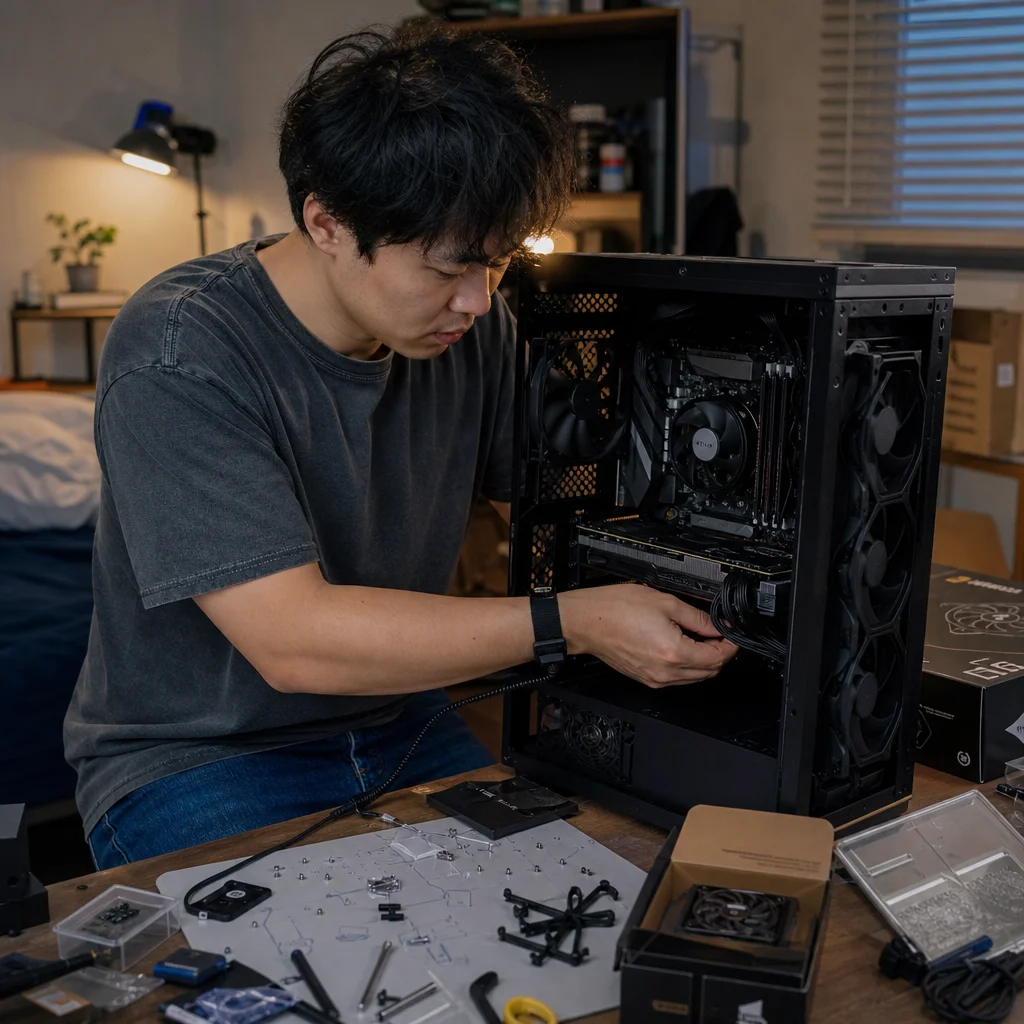
Frequent power interruptions change how you should think about PC maintenance. The main problem isn’t only that an unsaved document disappears when the lights go out. A sudden loss of power can interrupt writes, leave an operating system or application in an inconsistent state, and make an otherwise healthy computer harder to trust.
You don’t need an elaborate server-room setup to reduce those risks. A few habits, a tested backup, sensible power protection, and occasional health checks cover most home systems. The right level of protection depends on whether interruptions are rare annoyances or a regular part of daily life, but the basic priorities stay the same: give the PC time to shut down, keep important data somewhere else, and notice developing storage or power problems before they become emergencies.
Start with shutdown habits
If the power is flickering or cutting out repeatedly, avoid continuing to use the PC as though the supply were stable. Save your work, close applications, and shut the computer down normally when you can. Repeatedly allowing the system to lose power is more stressful for your data than one controlled shutdown, especially if you’re installing software, updating the operating system, copying files, or writing to a database.
After an unexpected outage, don’t immediately assume that everything is fine because the computer starts. Let the operating system complete any disk check or recovery process. Open the files you were using and confirm that they contain the latest changes. If an application reports a damaged project, database, archive, or document, stop making further edits to that copy until you’ve checked your backup.
Avoid repeatedly pressing the power button during a blackout. A desktop that won’t start may simply be waiting for stable power, or it may have a problem with the power supply, motherboard, or storage. If the system is connected to a UPS, use its shutdown software or front-panel control instead of pulling the plug. A forced shutdown is sometimes necessary, but it shouldn’t be your routine response.
Use the smallest useful layer of power protection
A basic surge protector doesn't keep a PC running during an outage. It may help limit certain voltage surges, but it can't provide backup power, correct every kind of electrical disturbance, or replace a UPS. A plain power strip mainly adds outlets and an on/off switch.
For a typical desktop, a UPS is the most useful upgrade when interruptions are frequent. It provides a short reserve from a battery, giving you time to save work and shut down. Many consumer UPS units also offer some form of voltage regulation, but the exact behavior varies by model and electrical environment.
A standby UPS is often sufficient for a modest home computer when your main goal is graceful shutdown. A line-interactive UPS can be more helpful where voltage regularly runs high or low because it can correct some variations without using the battery for every event. An online, double-conversion UPS provides more continuous conditioning, but it costs more, may use more energy, and is usually difficult to justify for a basic home PC unless the equipment or local power conditions warrant it.
Size the UPS for the equipment you actually need to keep alive. Check both its watt rating and its VA rating; VA alone doesn’t tell you how much real power the unit can deliver. Include the monitor, networking equipment, external drives, and any other device that must remain on long enough for an orderly shutdown. You don’t need hours of runtime for this purpose. A few minutes of usable runtime is often more valuable than a much larger unit that you never test or maintain.
Connect only necessary equipment to the battery-backed outlets. Speakers, printers, lamps, and other nonessential devices can usually stay off the battery outlets, if they need protection at all. A monitor and network connection may be useful while you save work, but a printer generally isn’t worth consuming limited runtime during an outage.
Confirm the protection your home setup needs: Check the UPS manufacturer’s current specifications for battery-backed outlets, watt and VA limits, supported input voltage, runtime at your expected load, replacement-battery availability, and any guidance about your PC’s power supply. Local voltage and grounding conditions can make one model more suitable than another.
A UPS isn't a license to ignore wiring problems. Don’t defeat a ground pin, daisy-chain power strips, or place equipment where spilled liquid can reach it. Keep the UPS ventilated, follow its installation instructions, and replace it when its battery no longer provides dependable runtime. Battery life depends on the model, temperature, use, and local conditions, so use the manufacturer’s replacement interval and test results rather than treating a generic age estimate as a guarantee.
Make backups that survive the outage
Power protection helps the computer shut down; it doesn't protect your files from drive failure, theft, malware, accidental deletion, or a damaged UPS. A backup is the part that makes recovery possible when the PC itself can’t be trusted.
Keep at least one backup separate from the computer. An external drive that remains permanently connected is convenient, but it can be damaged by the same electrical event, malware, or a mistake that affects the main PC. Rotate an external backup, disconnect it after the backup finishes, or use a reputable cloud service for files that fit that approach. Important data benefits from more than one backup destination.
The backup must include application data, saved games, photos, personal files, browser exports where needed, and any project folders stored outside your normal documents directory. Synchronization is useful for keeping copies current, but it isn’t always the same as a versioned backup: a corrupted or deleted file may be synchronized everywhere. Choose a system that retains earlier versions when that matters.
Test restoration, not just backup completion. Open a few restored files and confirm that they aren’t empty, corrupted, or dependent on a drive that is still attached to the original PC. A backup you’ve never restored is an assumption. Set a recurring check—perhaps after a major software change or at a regular monthly interval—and keep the process simple enough that you’ll actually do it.
Check storage health after hard shutdowns
An interruption doesn’t automatically mean that your SSD or hard drive is damaged. The more immediate concern is an interrupted write: the file being written may be incomplete, or the file system may need repair. Frequent hard shutdowns do justify more attention to storage health, especially if the computer begins showing slowdowns, application errors, missing files, boot failures, or unusual noises from a hard disk.
Use the operating system’s file-system tools when it reports a problem, and make a backup before attempting repairs if the drive is still readable. Windows may schedule a check after an improper shutdown; you can also use the built-in drive and file-system utilities from an administrator account. On Linux, review the file system’s recovery messages and use the appropriate distribution and file-system tools from a safe maintenance environment rather than experimenting on a mounted, active volume.
Monitor the drive’s health data through a reputable utility that reads SMART information where supported. Look for trends such as increasing reallocated or uncorrectable sectors, media errors, critical warnings, or a drive reporting that it has reached its rated life. SMART values are indicators, not a promise that a drive will fail—or remain healthy—on a particular date. If important data is involved, unusual behavior is enough reason to secure a backup before investigating further.
SSDs can also lose data when they fail, and they may fail with little warning. Don’t reserve backups for older spinning hard drives. If an SSD repeatedly disappears from firmware, reports critical warnings, or causes unexplained file errors, replace it after protecting the data rather than spending weeks trying to make it reliable again.
Use event logs to separate power problems from PC problems
After an outage, event logs can help establish what happened, but they usually can't identify the precise cause by themselves. On Windows, Event Viewer’s System log may contain unexpected-shutdown entries, power-related events, storage warnings, driver errors, and boot messages. Reliability Monitor presents a more readable timeline of crashes, failed updates, and application problems.
An unexpected-shutdown record generally tells you that Windows didn't close normally. It doesn’t prove that the utility company caused the event; a failed PSU, loose cable, overheating, reset button, or forced power-off can produce a similar result. Compare the timestamp with what happened in the home and with other symptoms before drawing a conclusion.
On Linux, journalctl can show the previous boot and messages surrounding the shutdown. The exact commands and log locations differ by distribution and configuration, so use the documentation for your system. Search for storage, kernel, power-management, and hardware errors rather than treating every warning as evidence of damage.
A small log of outage times, whether the UPS switched to battery, and what the PC did afterward can be surprisingly useful. If failures occur only when a heavy application is running, or if the computer restarts instead of shutting down, the issue may involve power capacity, cabling, cooling, or the PSU rather than the external supply alone.
Review the next outage while the evidence is fresh: Check the UPS status or software log, record whether the PC shut down cleanly, and inspect the operating system’s reliability or boot history. Verify the time zone and clock too, since inaccurate timestamps can make unrelated events look connected.
Keep the maintenance routine small
For a home PC in an unreliable-power area, a manageable routine is better than a complicated one. Confirm that backups are completing, test a restored file, and review storage health periodically. Dust the PC and UPS when needed, keep vents clear, and make sure cables and plugs remain firmly seated. Don’t open a UPS or power supply unless its service instructions specifically allow it; these devices can contain hazardous electrical energy even when unplugged.
Test the UPS under controlled conditions according to its instructions. A brief test can confirm that the computer remains powered and that the monitoring software detects the change, but don’t create a risky test during an active storm or unstable utility event. Replace a weak battery, and don’t continue relying on a unit that immediately drops its load or repeatedly reports a fault.
Keep operating-system and application updates enabled when practical, but avoid starting a major update when the power is visibly unstable unless you have reliable battery backup. For firmware updates, follow the device maker’s instructions carefully and ensure the PC has stable power. An interruption during firmware writing can create a more serious recovery problem than an interrupted ordinary file copy.
The minimalist setup is straightforward: use a properly sized UPS for the desktop, shut down deliberately during extended or repeated interruptions, maintain a separate and tested backup, and investigate storage or event-log warnings instead of dismissing them. You don’t need to buy every power accessory or replace healthy components after each outage. Build a recovery path first, then add more protection only when your equipment, electrical conditions, or outage pattern shows that it is justified.