Maintain a PC in a Coastal Home With Salt Air and Humidity
Salt air and humidity make placement, filtration, inspection, and cleaning part of PC ownership rather than occasional chores. I’ll explain how these parts fit together, where corrosion usually appears, and which environmental limits deserve closer attention in coastal homes.
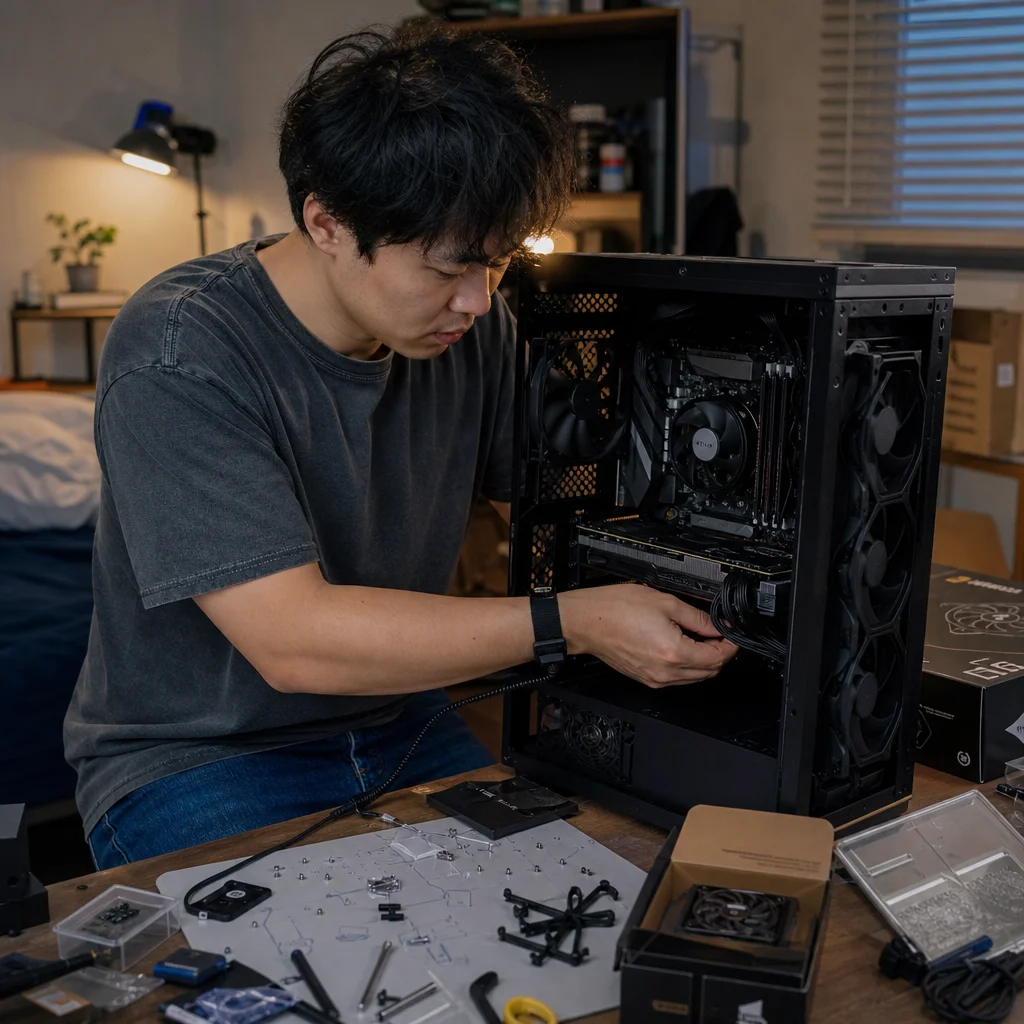
Living near the coast changes the maintenance problem for a PC. Salt carried in damp air can settle on metal surfaces, while humidity encourages corrosion and makes dust more likely to cling to filters, fans, and heat sinks. The risk isn't limited to homes directly beside the beach; wind, open windows, sea spray, and local weather patterns all matter.
A reliable routine combines sensible placement, effective filtration, regular inspection, careful cleaning, and realistic expectations about the room itself. No case or filter can make a computer immune to a corrosive environment, but you can slow the process and catch trouble before it becomes an intermittent fault or a dead component.
Start with the room, not the case
The best location is a clean, dry part of the home with stable temperatures and limited exposure to outside air. Keep the PC away from open windows, exterior doors, balconies, patios, and rooms where sea air enters freely. Avoid placing it directly on the floor, especially if the floor is concrete, tile, or another surface that can remain cool and damp. A desk or sturdy stand gives the case better airflow and reduces exposure to settled dust and moisture.
Don't push the rear of the case tightly against a wall or furniture. The power supply and exhaust fans need space to move warm air away, and restricted airflow makes every other maintenance measure less effective. Leave the clearance recommended by the case manufacturer, with enough room to reach the rear ports without dragging the system through dust or scraping cables.
A bedroom, office, or living area with steady climate control is usually easier to manage than a garage, shed, enclosed veranda, or workshop. These spaces can experience larger swings in temperature and humidity. A PC that moves from a cool room into warm, moist air can also develop condensation on cold surfaces. Let the system reach room temperature before powering it on if it has been stored or transported in noticeably different conditions.
Air conditioning can lower indoor humidity as part of normal operation, but it isn't a guarantee that the air around the computer is dry enough. A dehumidifier may help in persistently damp rooms, provided it is maintained properly and doesn't blow dusty or wet air directly toward the PC. A small room hygrometer can show whether conditions are stable instead of leaving you to judge by feel.
Check your room conditions: Before changing the PC’s location or adding a dehumidifier, measure the room near the computer over several days. Compare the readings with the humidity and operating limits in the case, component, and equipment manuals, because acceptable ranges and warranty conditions can vary.
Filtration is useful only when air can pass through it
Dust filters reduce the amount of debris entering a case, but they don't remove all airborne salt or humidity. Their main value is keeping dust from forming a sticky layer that traps moisture and holds contaminants against metal contacts. A filter that is blocked with dust can also create negative pressure, higher temperatures, and more fan noise.
Use the filters supplied with the case, and make sure they sit flat in their frames. If the case supports filters at the front, bottom, or top, check how the fans are arranged. Intake locations should generally have filtration, while exhaust openings need enough free area for air to leave. Adding dense third-party mesh everywhere can reduce airflow more than it reduces contamination.
Clean filters outside the room where the PC operates if possible. For a removable plastic or fabric filter, follow the case maker’s cleaning instructions. If washing is permitted, let the filter dry completely before reinstalling it. Never put a damp filter back into a running computer, and don't improvise with household materials that can shed fibres or restrict airflow.
Positive air pressure—slightly more filtered intake than exhaust—can reduce the amount of unfiltered air pulled through gaps in the case. It isn't a cure for coastal exposure, and the result depends on the case and fan layout. The practical goal is controlled airflow through clean filters, not sealing the computer so tightly that it overheats.
Set an inspection rhythm you can maintain
Coastal maintenance works better as a short, repeatable inspection than as a rare deep clean. Start with a visual check about once a month in a damp or salt-exposed home. You may be able to extend the interval in a well-controlled room, while a PC near an open window or in a dusty coastal area may need attention more often. The first few inspections will tell you how quickly your environment loads the filters.
Look at the front and bottom filters, fan blades, cable openings, rear ports, and the area around the power supply. Use a torch to inspect through the side panel without opening the case. You are looking for a growing dust film, white or green deposits, dull or discoloured metal, reddish-brown corrosion, and residue that appears damp or sticky.
Every few months, or whenever the filters become visibly loaded, shut the system down and inspect it more closely. The exact interval depends on the room and the PC’s intake pattern. A system with several filtered front intakes may collect more dust on its filters but less inside the case; a poorly filtered case may look clean from the outside while accumulating debris internally.
Keep a simple note of the inspection date, filter condition, and anything unusual. This makes it easier to distinguish a one-off spill or weather event from a gradual environmental problem. It also helps you choose whether to improve placement, adjust the fan setup, or clean more frequently rather than guessing.
Recognise corrosion before it becomes a fault
Early corrosion isn't always dramatic. Look for a chalky white film on aluminium, green or blue deposits around copper, darkening or pitting on plated metal, orange-brown rust on steel, and discolouration around screws or exposed edges. Corrosion can also appear on cable connectors, rear I/O ports, expansion-card brackets, fan screws, and the small metal shields around motherboard slots.
Pay particular attention to places where dust settles and airflow is slow. The lower edge of the case, the underside of a graphics card, the power supply grille, and the spaces around motherboard heatsinks can retain contaminants. A connector that looks slightly dull may still work today but become unreliable after repeated humidity cycles or movement.
Don't assume every mark is corrosion. Thermal paste, adhesive residue, ordinary dust, and manufacturing finishes can look similar. If you see a suspicious deposit, photograph it, note its location, and compare it with the component documentation or seek qualified technical help before scraping it away. Removing a coating or bending a contact can create a second problem.
Warning signs during operation include unexplained restarts, intermittent USB or display connections, fans that change behaviour, a smell of hot metal or electrical residue, and instability that appears after damp weather. These symptoms have many possible causes, but visible corrosion makes environmental damage more plausible. Back up important data before troubleshooting further.
Clean without spreading the problem
Before cleaning, shut the computer down, switch off the power supply, unplug the power cable, and press the case power button briefly to discharge the obvious residual charge. Work in a dry, well-ventilated area with good lighting. Avoid cleaning beside an open window on a windy day, where more airborne salt and dust can enter while the case is exposed.
Remove filters and clean them separately. For internal dust, use short bursts of air while holding each fan blade still so it doesn't spin freely. Uncontrolled fan spinning can create voltage, and a fast-spinning fan is also harder to clean safely. Direct dust out of the case rather than deeper into the graphics card, power supply, or heatsink fins.
Never open a power supply to clean inside it. Its internal components can retain dangerous electrical charge even after it is unplugged. If the power supply grille is heavily contaminated, clean only the accessible exterior and arrange professional service or replacement if there are signs of corrosion, liquid entry, unusual noise, or electrical damage.
Avoid spraying cleaner, water, contact cleaner, or corrosion treatment directly into the PC. Don't wipe a powered component with a damp cloth. If a component needs more than dry dust removal, use a product and procedure explicitly approved for electronics, or have the work done by a qualified technician. Salt residue can be conductive when damp, so simply brushing a visibly wet deposit across a board can spread contamination.
Use the right cleaning limit: Before applying any liquid, solvent, or corrosion product, check the component manufacturer’s instructions and the product’s electronics-use guidance. For an internal board, connector, or power supply, stopping at dry cleaning and getting professional help is often safer than experimenting.
Know when the environment is winning
If corrosion returns quickly after cleaning, the room may be the primary problem. A PC shouldn't be expected to operate indefinitely in direct sea spray, a damp shed, an unconditioned garage, or a space with persistent condensation. A sealed or semi-sealed case can slow contamination, but it can't remove the heat produced by the processor and graphics card, and it still requires clean airflow.
Consider moving the computer indoors, improving room control, closing nearby windows during salty or stormy conditions, and keeping the case farther from the floor and exterior walls. If the home has recurring condensation, mould, or damp materials, address the room rather than relying on a more elaborate PC enclosure. Environmental control protects other electronics and furnishings as well.
When corrosion is visible on a motherboard, graphics card, power supply, or connector, replacement may be more sensible than repeated cleaning. The right decision depends on the location, extent, age, and value of the part. A technician can inspect damage that is hidden under heatsinks, shields, or connectors and can advise whether repair is realistic.
Build maintenance into normal ownership
For a coastal PC, the practical routine is straightforward: place it in a stable indoor room, keep it elevated and clear of walls, maintain filtered airflow, inspect it regularly, and clean before dust becomes a thick film. Record changes in filter loading and watch for dull metal, residue, rust, or intermittent hardware behaviour.
You don't need to turn every week into a computer-cleaning exercise. Start with a monthly visual check, adjust the interval to what you actually observe, and treat sudden corrosion or condensation as a reason to improve the environment rather than merely clean more aggressively. Coastal air can't be eliminated, but consistent maintenance can keep it from quietly shortening the life of otherwise good hardware.