How Seasonal Air Quality Changes Can Affect PC Filters and Maintenance
Wildfire smoke, pollen, and construction dust can clog a PC’s airflow at very different rates. I’ll explain how to adjust filter choices, inspection intervals, and cleaning methods without trading away cooling or making maintenance harder.
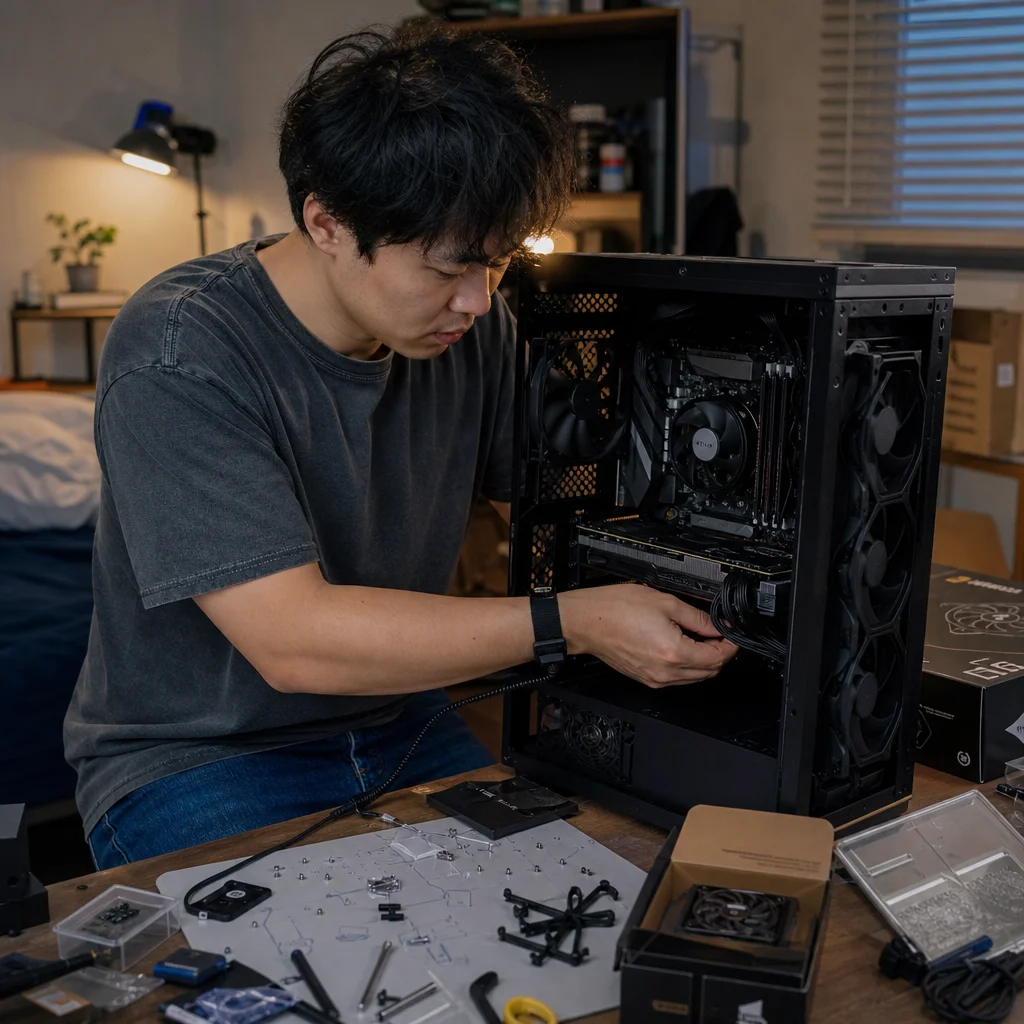
Your PC may need very different maintenance from one season to the next. A system that stays clean through a mild winter can collect fine smoke residue, pollen, or gritty construction dust surprisingly quickly when outdoor conditions change. The right response isn’t simply cleaning more often; it’s balancing filtration, airflow, noise, cooling performance, and the practical conditions in which you maintain the computer.
Why seasonal air changes matter
Most PC case filters are designed to catch relatively large particles before they reach fans, heatsinks, and the power supply. They help with ordinary household dust, lint, and hair, but they aren’t sealed air-cleaning systems. Fine particles from wildfire smoke can pass through coarse mesh, while larger pollen grains and construction debris may collect on the outside of a filter quickly.
Particle size isn’t the only issue. Smoke can leave a fine film on surfaces, especially when a computer is exposed to repeated smoky-air events. Pollen may arrive in bursts when windows are open or clothing and pets bring it indoors. Construction dust can contain heavier grit that settles around the case, but cutting, sanding, or demolition can also produce very fine dust that travels farther than expected.
Indoor conditions affect the result, too. A closed room with central filtration may expose the PC to less outdoor pollution than a room with an open window. On the other hand, a room with pets, carpets, frequent foot traffic, or a portable air cleaner running near the computer can have its own patterns of particle buildup. Seasonal maintenance works best when you respond to what is actually collecting on the filters rather than following a calendar blindly.
Check the air before opening the case: When smoke, dust, or other outdoor pollution is elevated, check your local air-quality reading and any relevant health guidance before ventilating the room or cleaning indoors. If conditions are poor, postpone nonessential maintenance or move the work to a cleaner, well-ventilated location.
Adapt your inspection schedule to the source
A useful baseline is to inspect intake filters every few weeks during a season with noticeably worse air, then extend the interval when several inspections show little buildup. You don’t need to commit to that schedule permanently. The filter itself is a better indicator than the date on a calendar.
Wildfire smoke deserves a different approach from ordinary dust. A filter may not look dramatically dirty even when fine particles have passed through it, so visual inspection alone has limits. During a smoke event, keep windows and doors closed as much as practical, use building or room filtration if available, and avoid opening the PC simply to perform routine cleaning. Once the air has improved, inspect the intakes and look for residue on accessible fan blades, radiator fins, and nearby surfaces.
Pollen seasons often create visible buildup on external mesh and can shorten the time between cleanings. If your computer sits on the floor, near a window, or beside an exterior door, inspect it more frequently than a system placed on a desk in a filtered room. Construction dust calls for even more caution: if sanding, cutting, or demolition is taking place nearby, cover or relocate the PC if possible rather than relying on its filters to handle the entire environment.
Keep a simple note of inspection dates and what you find. A few entries can reveal that one intake needs attention monthly while another remains clean for an entire season. That information is more useful than adopting an aggressive schedule that creates unnecessary work.
Choose filtration without choking the intake
The easiest improvement is usually to use the filters supplied with the case correctly. Confirm that each removable panel is installed in the intended direction and that its mesh is seated flat. A filter with a visible gap can allow dust to bypass it, while a packed filter increases resistance and reduces the amount of air the fans can move.
Finer filtration can reduce the amount of dust reaching the interior, but it also creates a greater airflow penalty. This is the central trade-off: a denser filter may help in a dusty or smoky environment, yet the fans must work harder to maintain the same cooling. Temperatures can rise, fan speeds can increase, and noise can become more noticeable. A filter marketed for a different ventilation purpose shouldn't be assumed to be suitable for a PC intake simply because it looks more efficient.
Avoid improvising by taping thick household or furnace-filter material over a case intake unless you have measured the result and can secure it without blocking the fan. Many such materials aren't designed for the pressure and airflow characteristics of a computer case. They may sag into a fan, create leaks around the edges, or reduce airflow enough to undermine cooling. If you do experiment, compare CPU and GPU temperatures, fan speeds, and noise under the same workload before and after the change.
Case airflow layout matters as much as the filter itself. A common arrangement uses filtered front or bottom intakes and rear or top exhaust fans. The goal is to prevent unfiltered openings from becoming the easiest route for air to enter. Slightly positive pressure—more filtered intake capacity than exhaust capacity—can reduce leakage through gaps, but the result depends on the case, fan curves, and restrictions. It isn’t a guarantee that every opening will remain dust-free.
Clean filters before they become a restriction
When a filter is visibly coated, clean it rather than waiting for temperatures to rise. Shut the computer down, switch off the power supply if it has a rear switch, unplug the power cable, and allow fans and other moving parts to stop completely. Remove the filter according to the case instructions, supporting it so accumulated dust doesn’t fall into the system.
For a dry, loose layer of dust, take the filter outdoors or to a suitable work area and use gentle compressed air from a distance. Hold the filter securely and avoid forcing debris deeper into the mesh. If you use compressed air near installed fans, prevent the blades from spinning freely; uncontrolled spinning can stress the fan and make cleaning less controlled.
Washable plastic or metal filters can often be rinsed, but follow the case or filter maker’s instructions. Let a washed filter dry completely before reinstalling it. Even a small amount of trapped moisture is an unnecessary risk near powered components. Paper-like or nonwashable media should be replaced rather than soaked.
The case interior needs a lighter touch. Use short bursts of air to move dust away from heatsinks, fan hubs, and corners, while keeping the nozzle from striking components. Don’t use a damp cloth inside the PC. For residue that doesn’t blow away easily, a careful external wipe and a later inspection are preferable to scrubbing delicate boards.
Check whether maintenance is affecting cooling
A filter that looks dirty isn't automatically causing a problem, and a clean-looking filter doesn't prove that fine particles have been stopped. Use temperature and fan behavior as supporting evidence. Compare readings under a repeatable workload, ideally with similar room conditions, rather than judging from one brief gaming session.
If CPU or GPU temperatures have risen gradually, first check for a clogged intake, blocked exhaust, dust-packed heatsink, or fan that is no longer reaching its expected speed. Also consider ambient temperature: a warmer room can raise component temperatures even when the PC itself hasn't changed. After cleaning a filter, give the system enough time under a familiar workload to determine whether airflow actually improved.
If you install a finer filter, expect to revisit fan curves. A slightly higher intake speed may offset added resistance, but raising fan speed can increase noise and may not compensate for a severely restrictive material. If temperatures remain higher than expected, reverting to the case’s original filter and improving room filtration may be the better solution.
Treat wildfire smoke and construction as exceptional conditions
Routine dust maintenance isn't the same as exposure to a major smoke or construction event. During heavy smoke, the most effective choice may be to avoid using the PC in the affected room when practical, reduce the amount of outdoor air entering the space, and rely on appropriate room filtration. Repeatedly opening the case while polluted air is entering defeats the purpose of trying to keep the interior clean.
For nearby construction, relocate the computer away from the work area or protect it while it is powered down. Don’t operate a covered PC if the covering restricts its ventilation. If fine dust has entered the case, inspect heatsinks, fans, and power-supply intake areas after the work ends. The power supply shouldn't be opened; if contamination appears to be inside it, seek qualified service rather than attempting an internal cleaning.
These situations also make cleaning location important. Blowing dust out of a case in the same room can redistribute it onto furniture and back into the computer. A garage, balcony, or other appropriate area may be better, provided weather, moisture, and electrical safety are under control.
Build a maintenance routine that fits your environment
Use the seasons as prompts, not strict deadlines. Inspect before a known pollen period, after a smoky or dusty event, and whenever fan noise or temperatures change unexpectedly. If the filter is clean and cooling is stable, extending the interval is reasonable. If it loads quickly, address the room and case layout instead of only cleaning more often.
Start with the least disruptive improvements: keep the PC elevated and away from obvious dust sources, make sure intake filters seal properly, and use room filtration where it helps. Then verify cooling under a repeatable workload. More filtration is useful only when the resulting airflow remains adequate and the system is still easy to maintain.
Your best seasonal plan will usually combine filtered case intakes, sensible placement, periodic inspection, and extra caution during smoke or construction events. That approach recognizes the trade-off clearly: filters protect the hardware, but every filter also asks the fans to work against some resistance. Monitor both sides of that equation, and adjust the routine to the air your PC is actually breathing.