When a Tempered-Glass Case Is the Wrong Choice
A glass-sided case can complicate transport, airflow, maintenance, and everyday access when its visual appeal stops matching your build. I’ll help you weigh those trade-offs and identify when steel, mesh, or acrylic makes more sense.
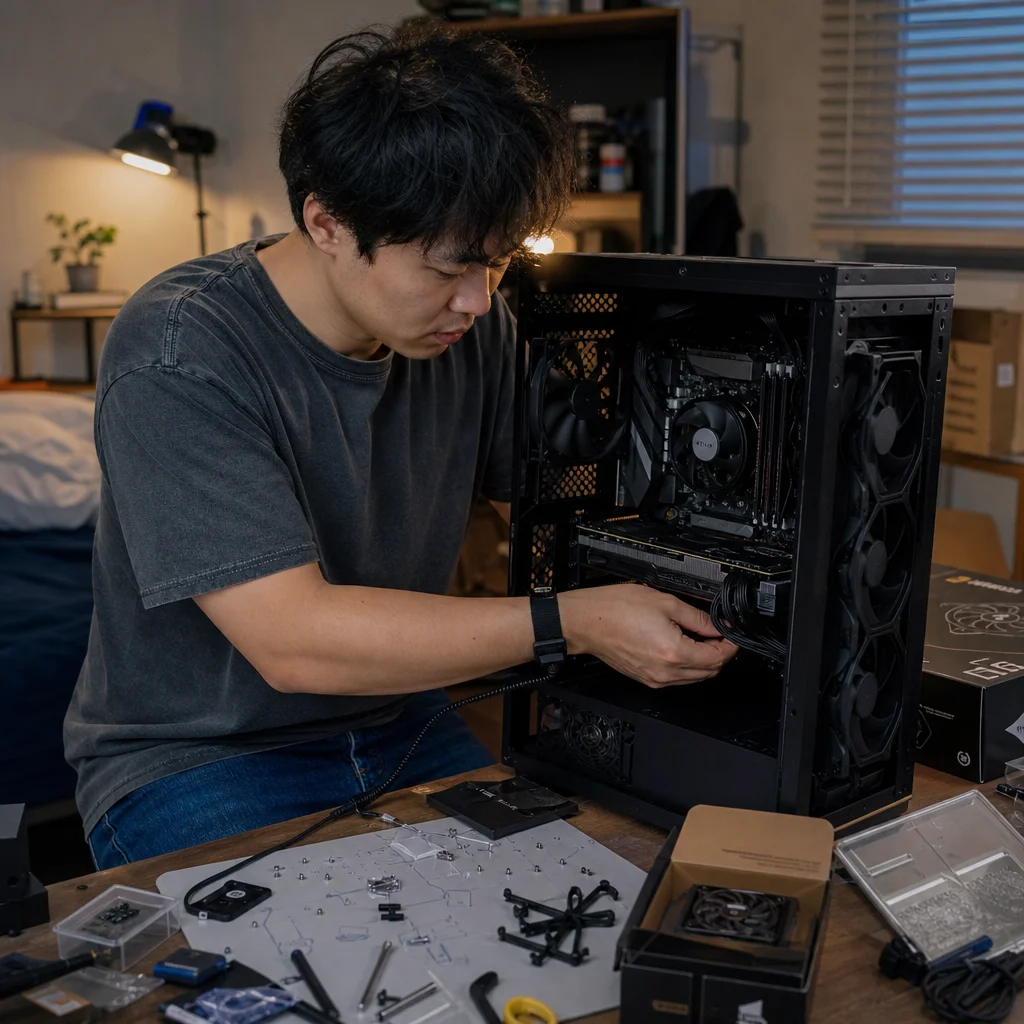
Tempered glass makes it easy to show off a PC’s components, but visibility isn’t the only thing a case panel affects. The panel also changes the case’s weight, handling, airflow strategy, cleaning routine, lighting requirements, and the consequences of a careless bump. For some builds, a glass side is a reasonable design choice. For others, it adds inconvenience without solving an important problem.
The wrong choice usually happens when you treat the side panel as decoration rather than part of the case’s overall design. Before choosing a tempered-glass case, consider how often you’ll move the computer, how much access you need, whether your components benefit from visual presentation, and how willing you are to maintain a visible interior.
When visibility isn’t worth the trade-off
Tempered glass is most useful when you genuinely want to see the inside of the system. It can make a carefully routed build, coordinated lighting, or an unusual graphics card part of the room. If your computer sits under a desk, faces a wall, or uses plain components with little lighting, that benefit may be limited.
A glass panel can also encourage you to spend more attention and money on appearance. That isn’t inherently bad, but it can shift the build toward decorative fans, lighting, sleeved cables, or display-oriented components that don’t improve performance. If your priority is quiet operation, low maintenance, or the best value for the hardware inside, an opaque panel may be the more sensible choice.
A steel side panel gives you privacy and makes dust or cable clutter less noticeable. That can be useful for a work computer, a server-like system, or any build where the case is selected for function rather than presentation. You don’t need to hide poor assembly, but you also don’t need to make the interior a permanent display if you won’t enjoy maintaining it.
Weight matters more than it first appears
A tempered-glass panel is substantially heavier than a comparable steel or acrylic panel. The difference may not matter once the computer is installed in one place, but it becomes noticeable when you’re carrying the case to another room, connecting cables, cleaning filters, or troubleshooting a component.
Weight is especially inconvenient if you regularly take your PC to a local network event, a shared workspace, a studio, or another location. It also matters when the case is placed on a high shelf or a narrow desk where you need to support it carefully while removing the panel. A heavier panel doesn’t make a case unusable, but it increases the effort involved in ordinary handling.
The case’s total weight includes the chassis, power supply, graphics card, cooling hardware, and storage devices. A large glass-sided case with a high-end graphics card and a substantial radiator can become awkward even before you install all the components. If you already know the finished system will be difficult to move, choosing a lighter panel style can remove one small but persistent annoyance.
Airflow is a case design issue, not a glass-versus-steel rule
Tempered glass itself doesn’t automatically make a computer run hot. The more important factors are the case’s front, top, and rear ventilation, the location of its fans, the clearance around those fans, and how effectively the chassis guides air through the components. A well-designed glass-sided case can cool properly, while a poorly ventilated mesh case can still perform badly.
The problem is that many glass cases emphasize a clean, enclosed appearance. Some use a restrictive front panel, limited fan mounting, or narrow intake gaps to preserve that look. If the side panel is glass and the front intake is also obstructed, the system may have fewer effective ways to draw in cool air. That can lead to higher fan speeds, more noise, or reduced thermal headroom under sustained workloads.
Look at the complete airflow path rather than assuming that a mesh panel solves everything. A mesh front with a solid side can be a strong compromise: the case receives useful intake airflow while the interior remains less visually demanding. If your processor or graphics card produces substantial heat, prioritize unobstructed intake and exhaust locations over a side window.
Maintenance becomes part of the presentation
Glass makes dust, fingerprints, loose cables, and unused drive bays easier to see. That visibility can be motivating if you enjoy keeping a build tidy, but it can also turn routine dust accumulation into a constant visual distraction. A system that looks clean on installation day won’t stay that way without occasional maintenance.
You’ll need to clean the exterior carefully and remove dust from the interior and filters without damaging components. The exact cleaning method should follow the case and component manufacturers’ instructions. In general, avoid treating the inside like ordinary furniture: don’t apply household cleaners directly to hardware, and don’t use a damp cloth where moisture could reach electronics.
Glass can also show fingerprints more readily than a painted metal panel, particularly around its edges and mounting points. If you frequently open the case to add storage, adjust cables, or test hardware, you’ll handle the panel more often. A solid side panel hides the evidence of that work and may be better suited to a computer that changes frequently.
Fragility changes how you handle the case
Tempered glass is stronger than ordinary glass in many respects, but it remains vulnerable to sharp impacts and stress at its edges. A panel can survive years of normal use and then fail when it contacts a hard floor, a metal corner, or another rigid object at the wrong angle. When tempered glass breaks, it usually fragments into many small pieces rather than cracking like a windshield.
That risk is manageable, but it affects where and how you work. Removing the panel over a hard floor is less forgiving than removing a steel panel. Leaning it against a desk leg, placing tools on it, or setting it down near other components creates avoidable opportunities for damage. You’ll also need to account for children, pets, tight spaces, and frequent rearrangement when deciding whether the panel is appropriate for your room.
The mounting design matters as much as the material. Panels secured with captive thumbscrews, rails, or a robust retention system may be easier to control than panels that must be pulled directly away from the chassis. A case with a convenient, stable removal method is preferable if you expect to access the interior often.
Check the panel plan before ordering: Confirm how the panel is retained, where it can be placed during maintenance, whether the case includes protective edge features, and whether replacement panels are available in your region. These details can matter more than the glass itself once the system is assembled.
Frequent access favors a simpler panel
Some builds are finished once and rarely opened. Others are continually adjusted. You may be testing memory, changing a graphics card, adding a capture card, swapping storage, or experimenting with fan placement. In those situations, the side panel is part of your work area, not just part of the case’s appearance.
A steel panel is usually less stressful to remove and set aside. It’s also less likely to become a concern while you’re holding a component in one hand and trying to manage cables with the other. This doesn’t mean a glass case prevents upgrades, but it gives you one more object to handle carefully during every internal change.
Acrylic can offer another option when you want some visibility without the weight of glass. It’s lighter and less likely to shatter, though it can scratch more easily and may develop a less clear appearance over time. If you choose acrylic, consider how much surface wear you’ll tolerate and whether the panel is easy to replace.
Lighting can expose more than it improves
A tempered-glass panel often makes lighting a central part of the build. That can produce an attractive result, but it can also create glare, reflections, and unwanted brightness in a bedroom or office. Lighting that looks subtle in a product photograph may be distracting when the computer runs beside you for several hours.
A glass panel can also highlight mismatched lighting colors, visible cables, empty mounting areas, and components that were selected for performance rather than appearance. If you don’t intend to use lighting, a window may still provide a clear view of the interior without adding much value. An opaque panel avoids the pressure to make every internal part presentation-ready.
Consider the room as well as the case. A window facing a bright lamp or a sunny window may reflect more than it reveals. If the computer is positioned where you rarely see its side, the visual benefit is reduced while the weight and handling costs remain.
Situations where glass is often the wrong choice
A tempered-glass case deserves extra scrutiny when:
- You move the computer regularly or expect to transport it in a car.
- The case will sit in a crowded area where bumps are likely.
- You need frequent access for testing, upgrades, or troubleshooting.
- The system produces significant heat but the case has a restrictive intake design.
- You prefer low maintenance and don’t want dust or fingerprints on display.
- The computer will be used in a room where bright lighting or reflections are distracting.
- The case will be handled by someone who may not be comfortable removing a fragile panel.
- A replacement panel would be difficult or expensive to obtain.
None of these conditions makes glass impossible. They indicate that the window should provide a clear benefit before you accept its additional compromises.
Choosing a panel that fits the build
Start by deciding whether you want the computer to function as a display. If the answer is no, a steel panel is often the simplest choice. It is practical for a work-focused system, hides interior clutter, and reduces concern during transport and maintenance. A mesh side panel may help with airflow, but its usefulness depends on the rest of the case and the noise characteristics of the system.
If you want visibility but expect frequent movement, acrylic may be worth considering. If you want visibility and the computer will remain stationary, tempered glass can be a good fit—provided the case has sensible airflow, secure panel retention, and a maintenance routine you’ll actually follow.
The most important step is to judge the finished computer rather than the empty case. Account for the weight of your hardware, the location of the system, the amount of internal access you need, and the way you plan to cool it. A glass panel is a design feature, not a requirement for a capable PC. Choose it when the visibility improves your use of the computer; choose steel, mesh, or acrylic when the practical trade-offs better match your space and habits.