Find the Cause of a USB Device That Disconnects During Gaming
I’ll help you separate cable, port, power, hub, interference, driver, and game-software problems when a USB device drops out during play. You’ll get a controlled testing process that finds the cause without replacing half your setup at once.
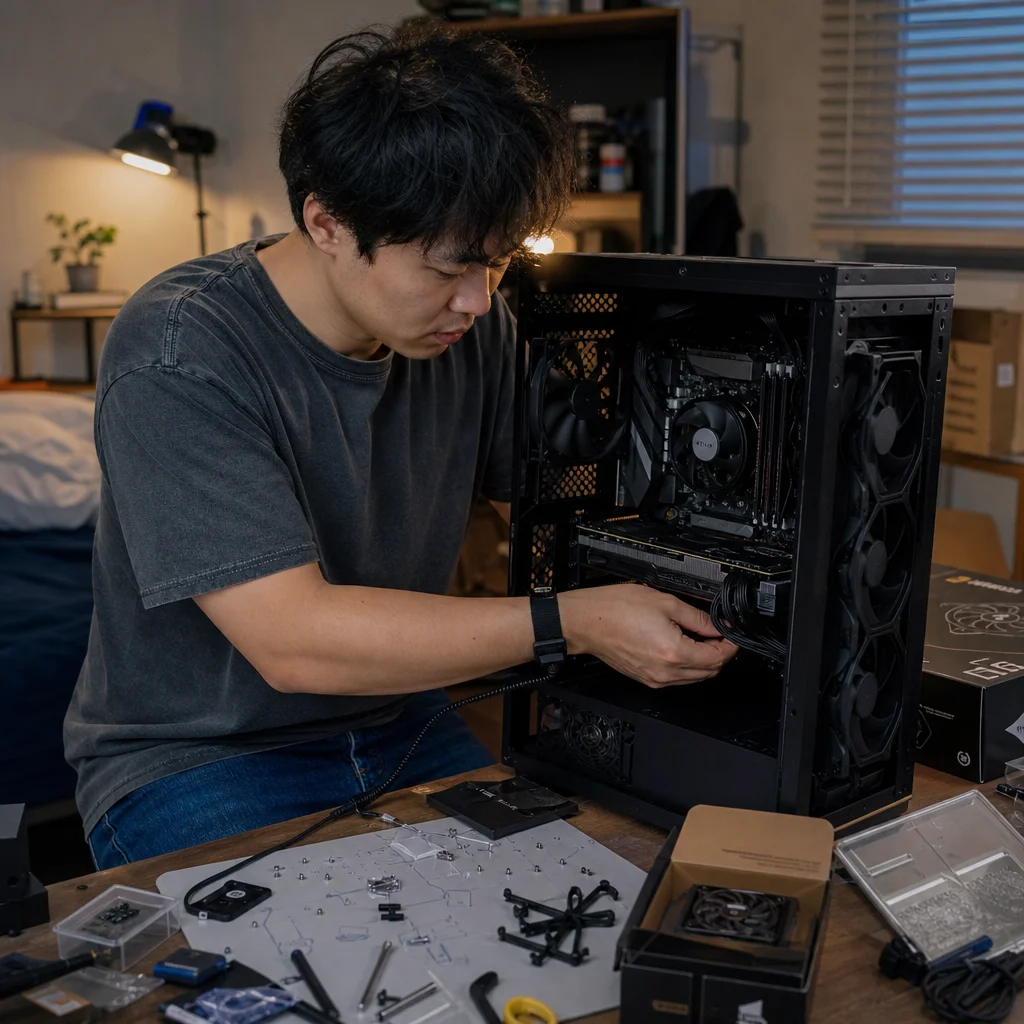
A USB mouse, keyboard, headset, controller, or external storage device that disconnects during gaming is difficult to diagnose because several causes can look identical. A brief power interruption, a damaged cable, a busy hub, wireless interference, and a game or driver problem may all appear as “the device stopped working.”
The useful approach is to change one part of the setup at a time and record what happens. Randomly moving the device between ports can occasionally fix the problem, but it rarely tells you why the problem occurred. A controlled comparison gives you both a likely cause and a sensible repair.
Start by defining the failure
Before swapping hardware, observe exactly what disconnects and what recovers. Does the device disappear from the operating system completely, or does only the game stop responding? Does it reconnect by itself after a few seconds? Does the device’s lighting turn off? Do other USB devices fail at the same moment?
These details separate broad categories of faults:
- If the device’s lights or power indicator go off, suspect power delivery, a cable, a port, or a hub.
- If the device stays lit but stops working, suspect the driver, game software, wireless link, or a device-specific firmware problem.
- If several USB devices disconnect together, suspect the hub, front-panel wiring, motherboard USB controller, or system power management.
- If only one game triggers the failure, test the game and its overlays before assuming the hardware is bad.
Note when the failure happens. A disconnect immediately after plugging in can point to connection or enumeration trouble. One that appears after an hour of play may relate to heat, cable movement, power management, or a software state that builds over time. A failure when you turn the mouse quickly or bump the desk is especially useful evidence: physical movement is part of the test, not just an annoyance.
Build a simple baseline
Connect the affected device directly to a rear motherboard USB port if your computer has one. Avoid the case’s front ports, monitor ports, keyboard pass-throughs, and external hubs for the first test. Use the shortest known-good cable that fits the device, and disconnect nonessential USB hardware temporarily.
This baseline isn’t automatically the best permanent arrangement. It’s a reference point. If the device works there for a normal gaming session, you can add the removed parts back one at a time. If it still fails, the hub and front-panel wiring become less likely, although the device, cable, drivers, operating system, and motherboard USB controller remain possible causes.
Use the same game, similar graphics settings, and a similar session length for each comparison. You don’t need a laboratory setup, but changing the game, port, cable, and driver at the same time makes the result hard to interpret. Keep a short log with the port, cable, connected USB devices, game, and time until failure.
Test the cable and device separately
A cable can fail intermittently even when it looks undamaged. Repeated bending near the connector, tension from a desk layout, and a connector that fits loosely can interrupt data or power. A detachable cable is easier to test: replace it with a known-good cable that supports the device’s required connection type and, where relevant, its data speed.
Don’t use a charge-only cable to test a data device. It may supply power while preventing the device from communicating, creating a misleading result. For devices with permanently attached cables, gently change the cable’s position while the device is idle. Avoid pulling on it or deliberately stressing it; the goal is to notice whether normal desk movement reproduces the fault, not to create damage.
If a replacement cable fixes the problem on the same port and in the same game, the original cable is the leading explanation. If both cables fail, test the affected device on another computer or console when possible. A failure that follows the device points toward the device or its cable. A failure that stays with the original computer points toward the computer, its software, or its USB environment.
A device that works in ordinary desktop use but disconnects under gaming movement may still have a physical problem. Gaming can produce more cable movement, button activity, headset audio traffic, or wireless activity than a quiet desktop session. “It works when I’m not playing” doesn’t rule out hardware; it tells you the triggering conditions matter.
Compare ports without changing everything else
Test the same device and cable in several ports, recording the results. Prefer a rear motherboard port for one comparison, then try another rear port. After that, compare a front-panel port or monitor hub if those are part of your normal setup.
Port behavior can differ even when the connectors look the same. A front port depends on the case cable and its connection to the motherboard. A monitor or keyboard port may be an internal hub shared with other devices. Some ports may also be routed through different USB controllers. You don’t need to map the entire motherboard to learn something useful: a reliable rear port and an unreliable front or hub port is a strong pattern.
If only one physical port fails, inspect it for dust, looseness, or visible damage and stop using it if the connection is physically unstable. Don’t force a connector or use metal tools inside the port. If every port on the computer shows the same failure while the device works elsewhere, software, system power behavior, or the motherboard’s USB subsystem deserves more attention.
Check whether a hub is the bottleneck
External hubs are convenient, especially for keyboards, controllers, cameras, headsets, and charging devices. They also add another cable, connector, controller, and power path. A bus-powered hub draws its available power from the computer, while a powered hub has its own adapter. Either can be involved in a disconnect, but they fail in different ways.
Remove the hub and test the affected device directly. If the problem disappears, reconnect devices one at a time. A hub may be overloaded by the number of active devices, affected by a poor upstream cable, or disturbed when another device changes its power demand. A headset, webcam, external drive, or lighting controller may add enough traffic or power use to expose the weakness.
A powered hub can be a reasonable long-term solution when you need several devices at a distance, but it isn’t automatically an upgrade. It adds an adapter and another point of failure. Direct motherboard connections are usually the simpler choice for an input device that must remain dependable during play. Use a hub when its convenience matters, then verify it under the same workload rather than assuming its label guarantees stability.
Verify the connection you’re about to keep: Check the hub’s power adapter, upstream cable, and manufacturer specifications before treating it as a permanent fix. A powered hub still needs a sound data connection, and a cable rated only for charging won’t solve a communication problem.
Look for power-management and driver clues
Operating systems may suspend USB devices or place parts of the system into lower-power states. This can save energy but may conflict with some peripherals, hubs, or drivers. If disconnects happen after inactivity, when the game changes focus, or when the computer resumes from a lower-power state, power management becomes more plausible.
On Windows, review the USB devices and hubs in Device Manager and check their power-management settings where available. You can test whether allowing the computer to turn off a USB hub to save power affects the problem, but treat that as a diagnostic comparison rather than disabling every power-saving feature permanently. The exact setting names and behavior can vary by Windows version and hardware.
Also check for device, chipset, motherboard, and operating-system updates from the appropriate manufacturer or operating-system provider. Update one relevant component at a time when possible, and avoid installing unrelated driver packages from random download sites. A driver update can fix a compatibility problem, but it can also change behavior; recording what you changed makes it possible to reverse a bad result.
Check software support before changing drivers: Confirm the current driver, firmware, and operating-system guidance for your exact device and motherboard model. Save any existing settings or profiles first, especially for keyboards, mice, headsets, and controllers that store custom mappings.
On Linux, the system log can show USB reset, disconnect, enumeration, or power-related messages around the failure. On macOS, Console and system information can provide related device events, though the available details depend on the device and operating-system version. In any system, the important comparison is timing: does the operating system report a USB event at the same moment the game stops responding?
Use event timing to separate hardware from software
A system event log won’t always identify the failed component, but it can tell you whether the operating system noticed a device-level change. Record the approximate time of a disconnect, then review system or device events immediately before and after it.
A USB removal, reset, or re-enumeration event supports a physical, power, hub, controller, or driver theory. If the operating system still sees the device while only the game loses input or audio, focus on the game, its input layer, overlays, and competing software. Test with overlays disabled, remapping tools closed, and the device’s configuration software exited if it isn’t required for basic operation.
For wireless USB devices, include the receiver in the test. Move the receiver away from dense clusters of USB connectors with a short extension cable if the manufacturer supports that arrangement, and keep it closer to the device. Test with nearby wireless transmitters, external drives, and hubs disconnected. Interference is more credible when the device remains powered but input becomes erratic, the issue changes with receiver position, or another wireless setup works reliably in the same computer.
Interpret the trade-offs in your results
The best fix isn't always the one that makes the device work once. A rear port may be more reliable but less convenient. A powered hub may tidy your desk but add complexity. Disabling a power-saving option may stop the disconnect while increasing power use. Replacing a cable is inexpensive when the evidence points there, but replacing a motherboard because one front port is unreliable is a much larger decision.
Use the least disruptive change that explains the result. If a direct rear-port connection works, keep it for a while before adding the hub back. If a new cable works, route it without tight bends or desk-edge pressure. If closing a background utility helps, look for an update or a narrower configuration change instead of leaving unrelated software disabled indefinitely.
When the fault follows the device across computers and cables, contact the device manufacturer or consider replacement. When every USB device fails on one computer, especially across direct rear ports, back up important data and investigate motherboard firmware, chipset support, physical damage, and system-level repair options. Persistent electrical or physical faults aren't worth working around indefinitely.
Finish with a repeatable confirmation test
After making a change, repeat the original conditions for long enough to exercise the problem. Use the same device, game, port arrangement, and approximate session length. Then test a second game or ordinary desktop use to see whether the improvement is broad or limited to one application.
Finally, add removed devices and software back one at a time. If the disconnect returns, the last change is a strong suspect. If it doesn’t, the original issue may have involved a combination of power demand, interference, cable movement, or software state rather than one failed part.
A USB disconnect is usually solved more efficiently by narrowing the path than by buying replacements. Establish a direct baseline, compare one variable at a time, use event timing to distinguish a device reset from a game problem, and choose the simplest arrangement that remains reliable under actual gaming conditions.